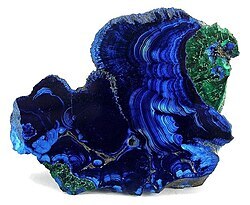
What is Azurite?
Azurite is a natural blue mineral pigment made from copper carbonate. It has been used by artists for centuries to create rich blue colors in fresco painting, tempera, and oil painting.
Before synthetic pigments existed, artists depended on minerals found in nature. Azurite was one of the most important historical blue pigments, especially during the Middle Ages and the Renaissance.
The pigment was known by several historical names, including:
These names appeared in historical art texts and workshop records.
Before synthetic pigments existed, artists depended on minerals found in nature. Azurite was one of the most important historical blue pigments, especially during the Middle Ages and the Renaissance.
The pigment was known by several historical names, including:
- Azzurro della Magna
- Azzurro di Vena Naturale
- Mountain Blue
- Armenian Stone
These names appeared in historical art texts and workshop records.
Azurite in Renaissance Italy
During the Renaissance, blue pigments were among the most valuable materials available to painters. The most expensive colors were often treated like luxury materials, similar to gold.
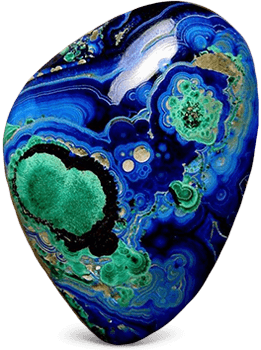
Italian artists and workshops carefully searched for high-quality blue pigments. Records from Florence, Venice, and other Italian cities describe the purchase and transport of valuable blues used for important frescoes and paintings.
Artists often obtained blue pigments through trade networks. Venice played an important role as a center of pigment commerce because materials arrived there from different regions of Europe and the East.
Historical documents mention painters ordering Azzurro della Magna and other natural blues for major projects. Letters from the 15th century show that painters sometimes received blue pigment separately from the person who commissioned the artwork because of its high cost.
Italian artists and workshops carefully searched for high-quality blue pigments. Records from Florence, Venice, and other Italian cities describe the purchase and transport of valuable blues used for important frescoes and paintings.
Artists often obtained blue pigments through trade networks. Venice played an important role as a center of pigment commerce because materials arrived there from different regions of Europe and the East.
Historical documents mention painters ordering Azzurro della Magna and other natural blues for major projects. Letters from the 15th century show that painters sometimes received blue pigment separately from the person who commissioned the artwork because of its high cost.
Azurite and Fresco Painting
The use of blue in fresco was technically challenging.
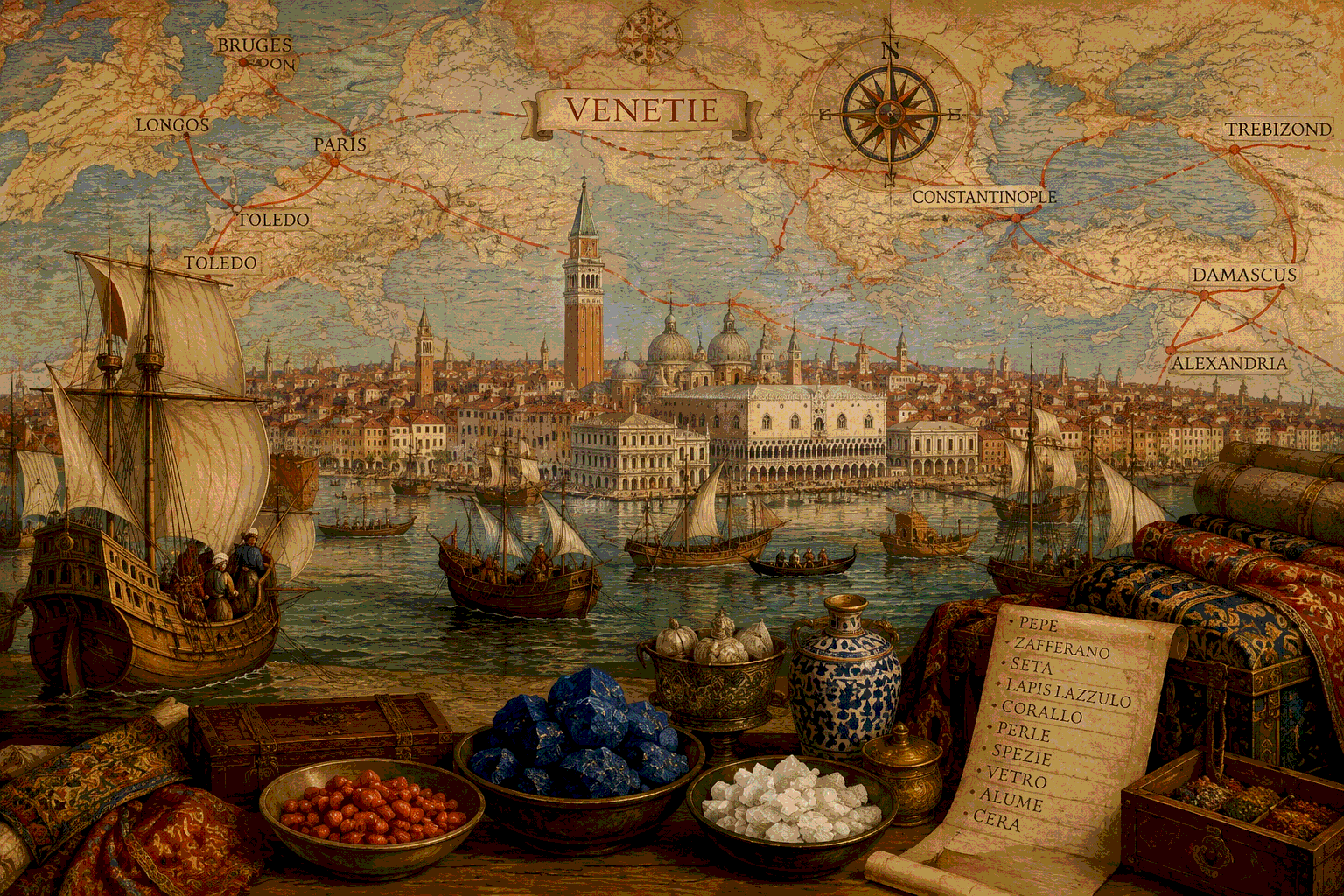
Traditional buon fresco requires applying pigment onto wet lime plaster, allowing the color to become part of the wall as it dries. However, many historical sources describe blue pigments being applied a secco — on dry plaster — because some blues did not remain stable in fresh lime.
Artists often added blue details after the main fresco was completed, using binders such as glue or egg tempera.
This explains why many Renaissance frescoes contain different techniques within the same artwork.
Traditional buon fresco requires applying pigment onto wet lime plaster, allowing the color to become part of the wall as it dries. However, many historical sources describe blue pigments being applied a secco — on dry plaster — because some blues did not remain stable in fresh lime.
Artists often added blue details after the main fresco was completed, using binders such as glue or egg tempera.
This explains why many Renaissance frescoes contain different techniques within the same artwork.

The Unique Color of Azurite
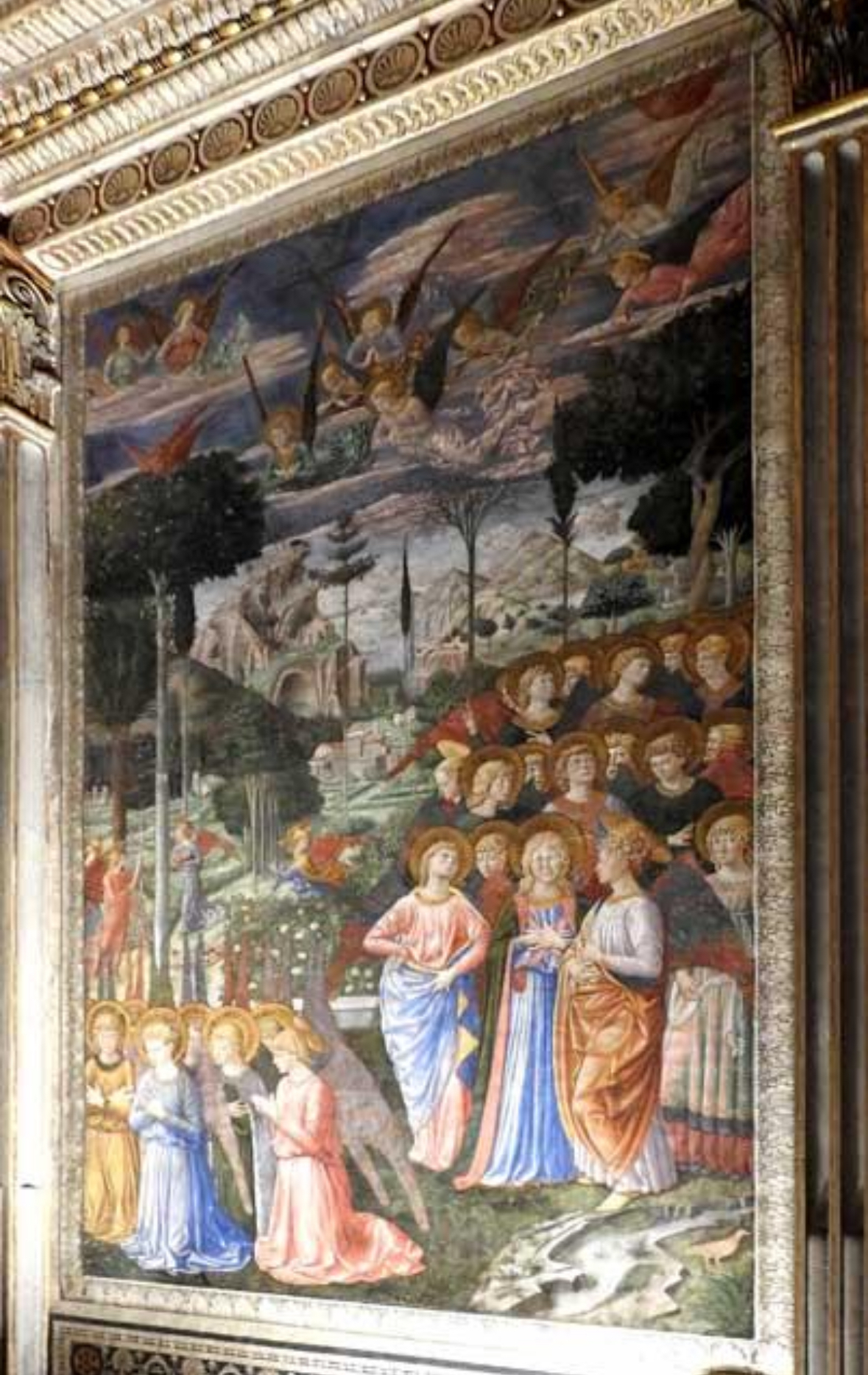
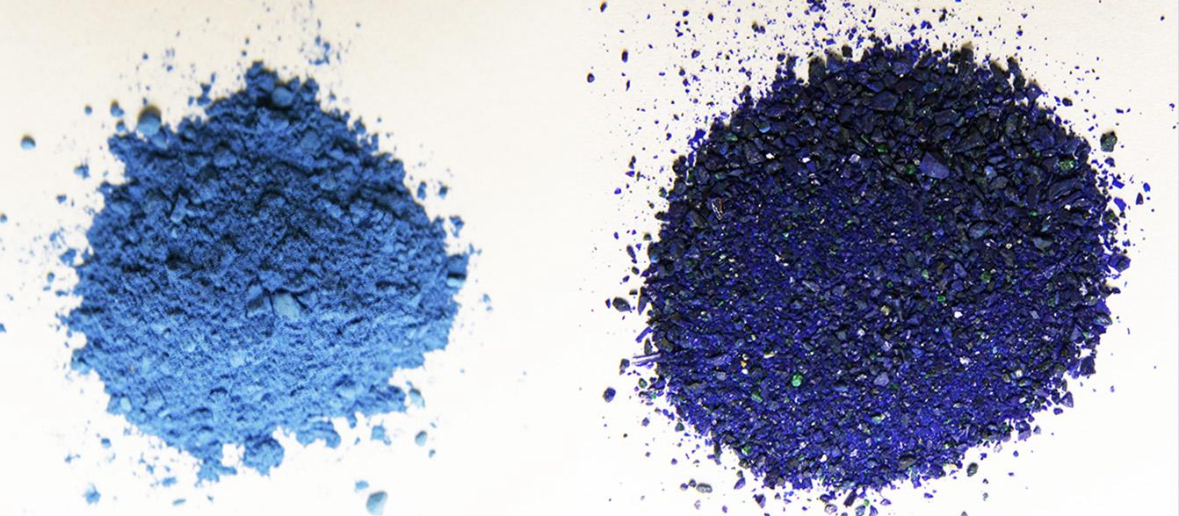
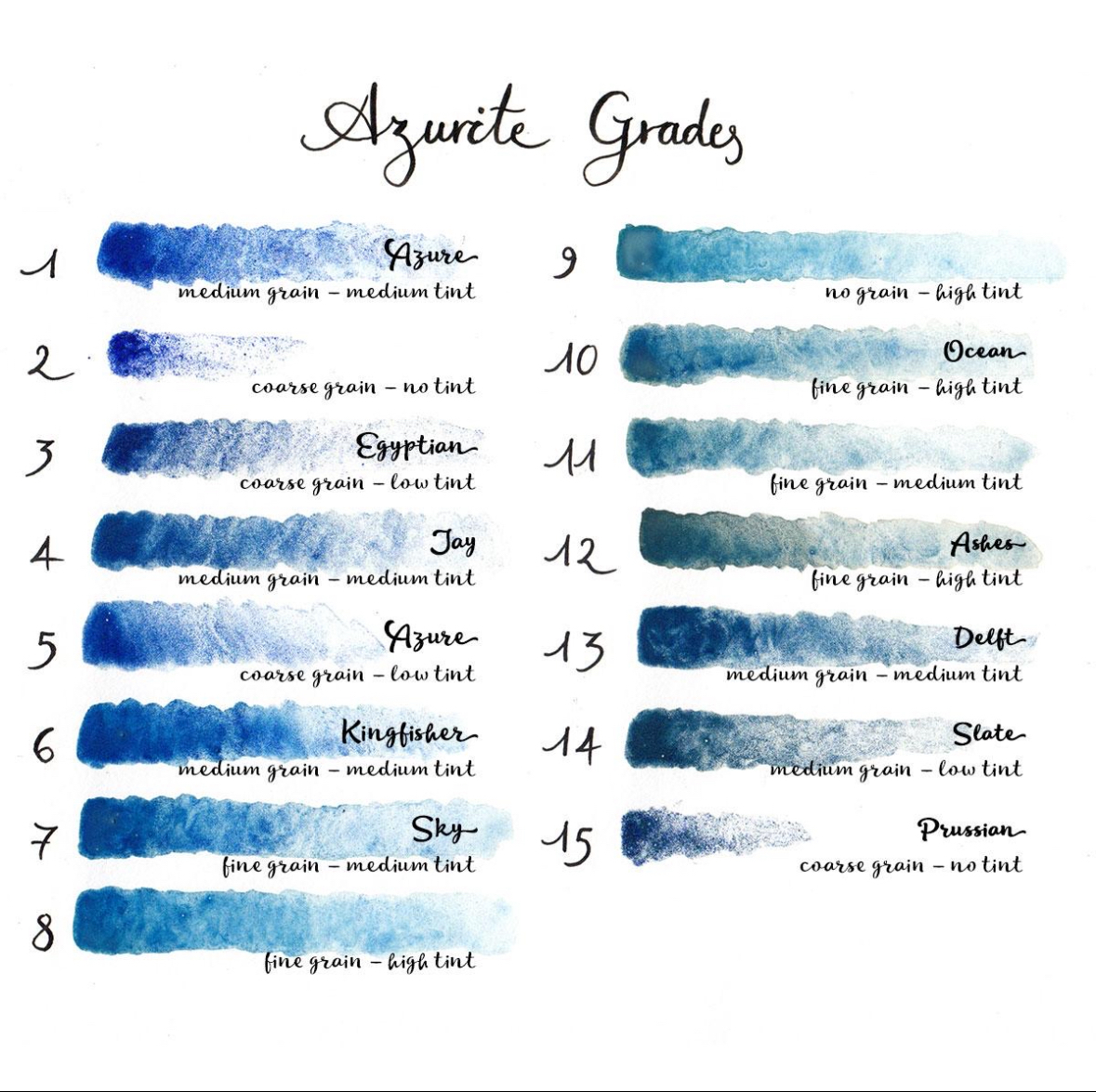
One of the most fascinating properties of azurite is that its color depends on the size of the pigment particles.
Coarse azurite:
Fine azurite:
Old masters understood this effect and carefully prepared different grades of pigment depending on the desired result.
Coarse azurite:
- produces a deep, intense blue;
- has a gemstone-like appearance;
- was used for rich fabrics and strong shadows.
Fine azurite:
- becomes lighter and softer;
- creates sky-blue
- tones;
- was used for delicate transitions.
Old masters understood this effect and carefully prepared different grades of pigment depending on the desired result.
Azurite vs Ultramarine
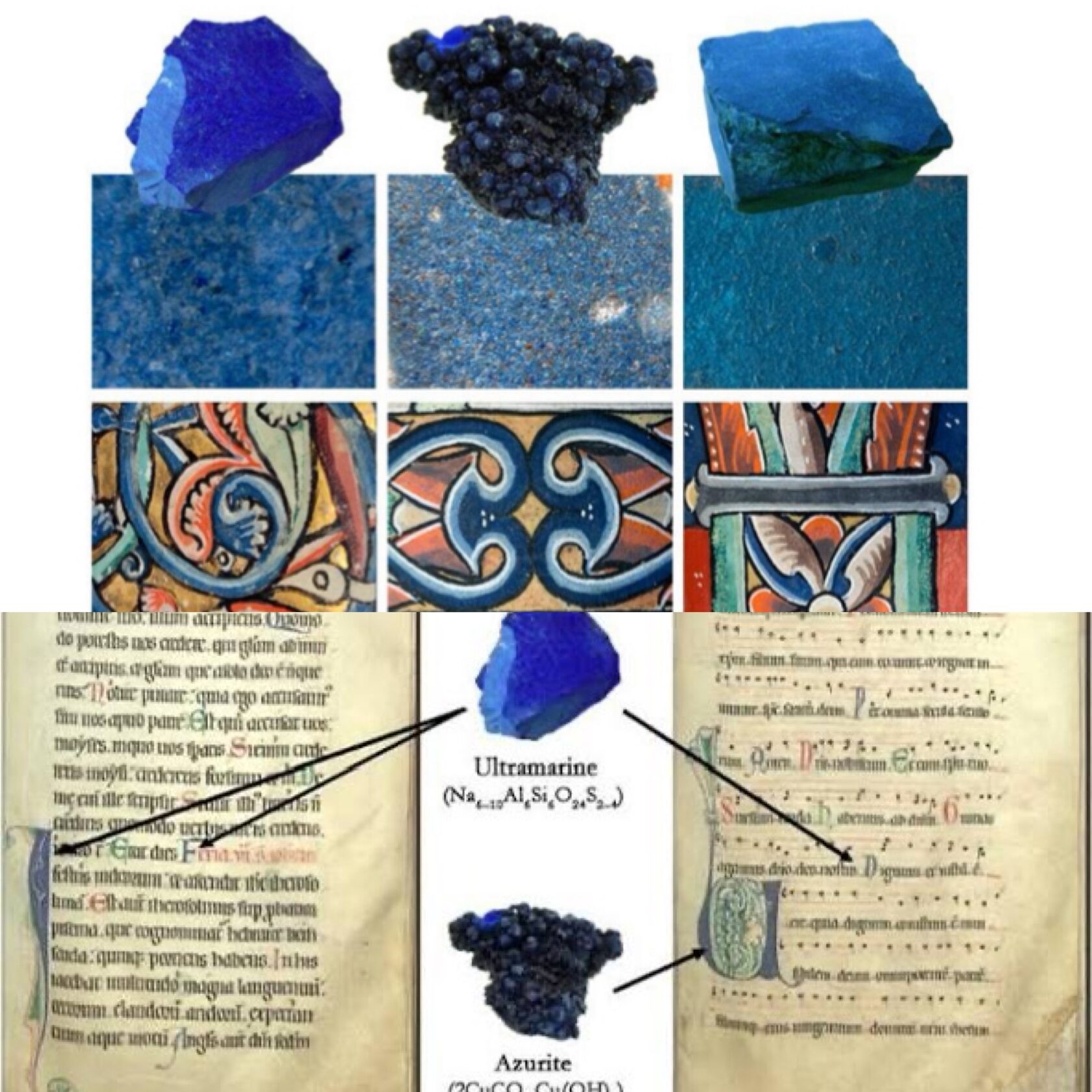
Azurite was often compared with ultramarine, a blue pigment made from lapis lazuli.
Ultramarine was extremely expensive because lapis lazuli had to be imported from distant regions. Azurite was more accessible because it came from copper mines, but it had its own unique beauty.
While ultramarine created a deep violet-blue tone, azurite produced a cooler mineral blue with a natural crystalline character.
Ultramarine was extremely expensive because lapis lazuli had to be imported from distant regions. Azurite was more accessible because it came from copper mines, but it had its own unique beauty.
While ultramarine created a deep violet-blue tone, azurite produced a cooler mineral blue with a natural crystalline character.
Artists Who Used Azurite
Azurite and related copper-based blues were used by many important artists, including:
Over centuries, some azurite areas changed color because copper minerals can naturally transform, sometimes shifting from blue toward green.
- Giotto — early Italian fresco painting
- Raphael — Renaissance painting
- Jan van Eyck — Northern Renaissance art
- Michelangelo — use of blue pigments in monumental works
- Guercino — Italian Baroque fresco painting
Over centuries, some azurite areas changed color because copper minerals can naturally transform, sometimes shifting from blue toward green.

The Virgin and Child with Saints Dominic and Aurea by the Italian painter Duccio di Buoninsegna.

Madonna and Child" by the Italian artist Giotto di Bondone, likely created between 1310 and 1315

Raphael — High Renaissance
→ Madonna del Granduca
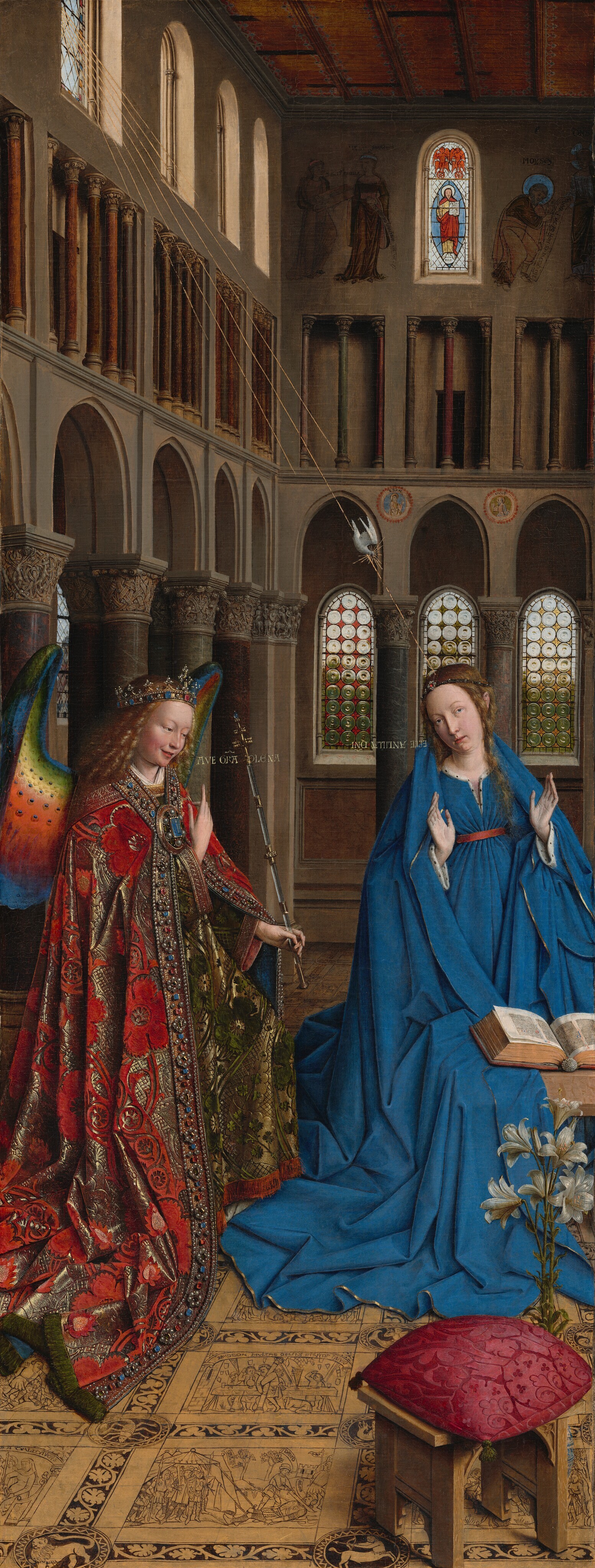
Jan van Eyck — Northern Renaissance
→ The Annunciation
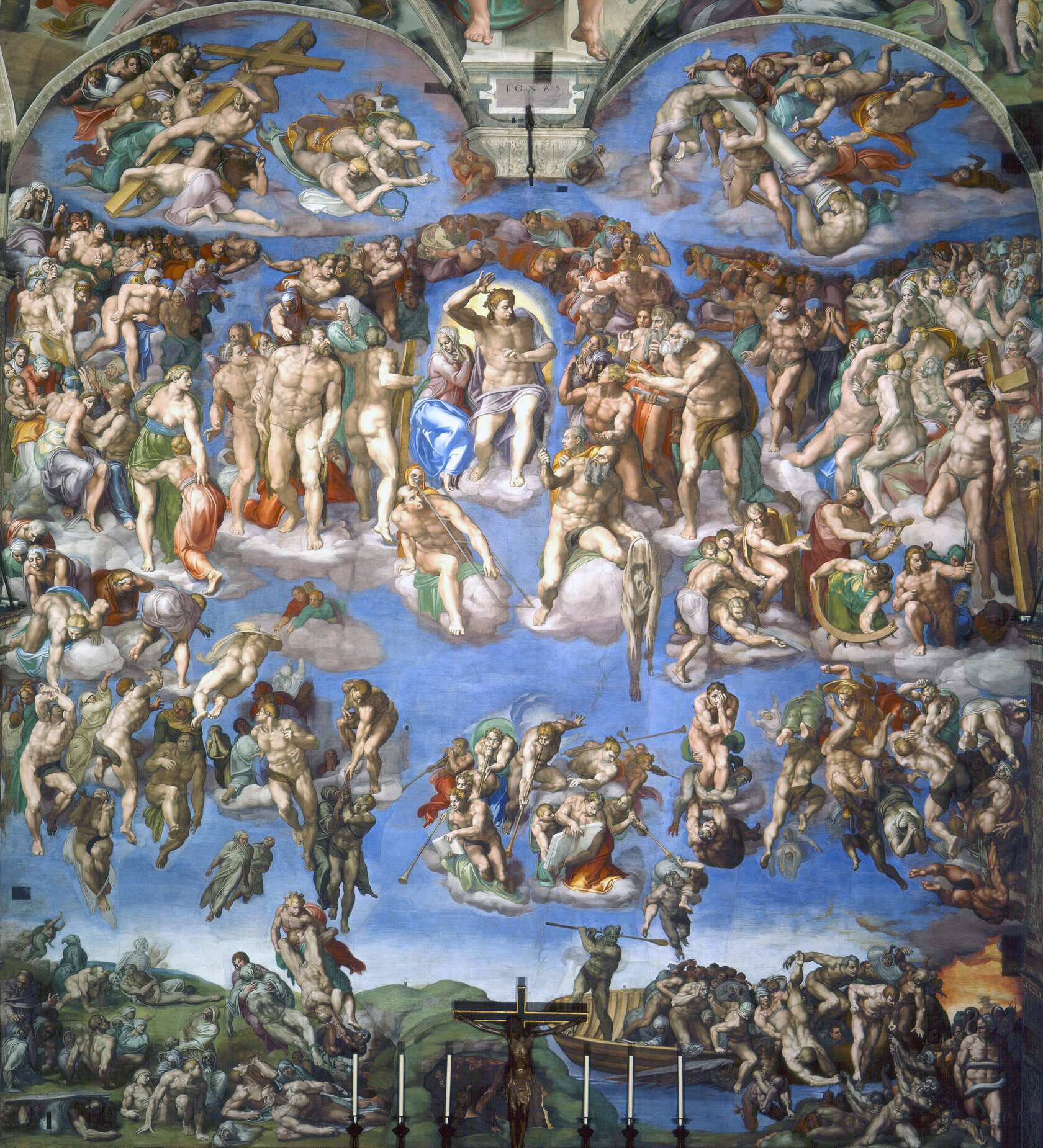
Michelangelo — Monumental fresco painting
→ Sistine Chapel ceiling / Last Judgment

Guercino — Italian Baroque fresco
→ Aurora, Casino Ludovisi
The Return of Natural Azurite
Today, natural azurite is still valued by artists, restorers, and painters interested in historical techniques.
Modern artists use azurite to reconnect with the materials of the Old Masters — experiencing the same mineral color that appeared on Renaissance walls hundreds of years ago.
Azurite is more than a pigment.
It is a piece of the earth transformed into the history of art.
Modern artists use azurite to reconnect with the materials of the Old Masters — experiencing the same mineral color that appeared on Renaissance walls hundreds of years ago.
Azurite is more than a pigment.
It is a piece of the earth transformed into the history of art.
Where to Buy Natural Azurite Pigment Today
Natural azurite is still available today for artists, painters, and restorers who want to work with historical mineral pigments.
Authentic azurite pigment can be purchased from specialized pigment suppliers who provide natural stone-based colors for fresco, tempera, oil painting, and traditional art techniques.
When choosing azurite, look for:
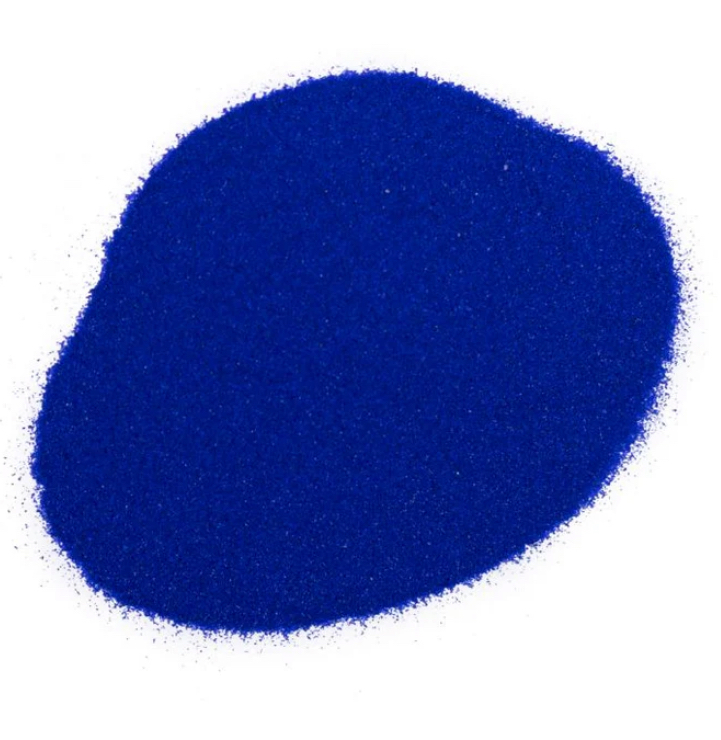
The particle size affects the final color: coarse azurite produces a deeper, more intense blue, while finely ground azurite creates lighter sky-blue shades.
For artists interested in Renaissance techniques, natural azurite remains one of the closest ways to experience the same mineral blue that was used by the Old Masters.
Authentic azurite pigment can be purchased from specialized pigment suppliers who provide natural stone-based colors for fresco, tempera, oil painting, and traditional art techniques.
When choosing azurite, look for:
- Natural Azurite
- PB30 (Copper Carbonate Blue)
- information about the origin and preparation of the mineral
- different pigment grades such as coarse, medium, or fine
The particle size affects the final color: coarse azurite produces a deeper, more intense blue, while finely ground azurite creates lighter sky-blue shades.
For artists interested in Renaissance techniques, natural azurite remains one of the closest ways to experience the same mineral blue that was used by the Old Masters.
I<div class="product-box">
<h3>Buy Natural Azurite Pigment</h3>
<p>
Authentic natural azurite pigment for fresco, oil painting, and traditional techniques.
</p>
<a href="https://www.newyorkpigmentco.com/products/azurite-s-coarse" target="_blank">
Explore Natural Azurite Pigment →
</a>
</div>
<h3>Buy Natural Azurite Pigment</h3>
<p>
Authentic natural azurite pigment for fresco, oil painting, and traditional techniques.
</p>
<a href="https://www.newyorkpigmentco.com/products/azurite-s-coarse" target="_blank">
Explore Natural Azurite Pigment →
</a>
</div>
